A Guide to Selecting Wood for Fence Construction
The longevity, strength, and aesthetic appeal of a wooden fence heavily depend on the type of wood used in its construction. Selecting the appropriate…
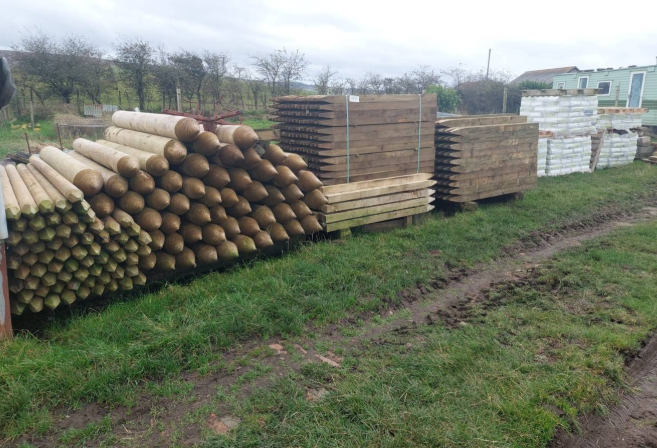

The longevity, strength, and aesthetic appeal of a wooden fence heavily depend on the type of wood used in its construction. Selecting the appropriate timber is crucial to ensure your fence withstands the elements, provides the necessary function, and enhances the overall look of your property. This guide outlines the best wood choices for building a fence, essential do’s and don’ts, the benefits of using the correct wood, and thickness requirements.
Best Wood Choices for Fence Construction
- Softwoods:
- Pressure-Treated Pine: This is a popular and cost-effective option. Pine is chemically treated to resist rot, decay, and insect infestation, making it suitable for ground contact.
- Benefits: Affordable, readily available, treated for durability.
- Considerations: Requires proper treatment, can be prone to warping if not dried correctly.
- Cedar: Naturally resistant to rot, decay, and insects due to its natural oils. It has a beautiful reddish-brown color and a pleasant aroma.
- Benefits: Durable, aesthetically pleasing, low maintenance.
- Considerations: More expensive than pine.
- Redwood: Similar to cedar in its natural resistance to decay and insects. It has a rich reddish color and is less prone to warping.
- Benefits: Durable, beautiful appearance, relatively low maintenance.
- Considerations: Can be more expensive and less readily available than cedar.
- Pressure-Treated Pine: This is a popular and cost-effective option. Pine is chemically treated to resist rot, decay, and insect infestation, making it suitable for ground contact.
- Hardwoods:
- Oak: A very strong and durable hardwood, but it is also expensive and can be more challenging to work with.
- Benefits: Exceptional strength and longevity.
- Considerations: High cost, heavy, and requires pre-drilling for fasteners.
- Oak: A very strong and durable hardwood, but it is also expensive and can be more challenging to work with.
Do’s and Don’ts of Choosing Wood for Fencing
- Do’s:
- Do Choose Treated Wood for Ground Contact: Use pressure-treated wood for fence posts and any other components that will be in contact with the soil to prevent rot.
- Do Consider Your Local Climate: In areas with high humidity and rainfall, prioritize rot-resistant woods like cedar or pressure-treated options.
- Do Factor in Your Budget: Balance your desire for durability and aesthetics with your financial constraints.
- Do Research the Wood’s Sustainability: Opt for wood from sustainably managed forests whenever possible.
- Don’ts:
- Don’t Use Untreated Wood for Ground Contact: Untreated wood will quickly rot and compromise the fence’s stability.
- Don’t Neglect Maintenance Requirements: Even rot-resistant woods benefit from regular cleaning and sealing to prolong their lifespan.
- Don’t Choose Wood That is Prone to Warping: This can lead to an unsightly and unstable fence.
Benefits of Using the Correct Wood
- Increased Longevity: The right wood will resist decay and insect damage, extending the life of your fence and reducing the need for repairs or replacement.
- Reduced Maintenance: Durable, rot-resistant wood requires less frequent treatment and upkeep.
- Enhanced Strength and Stability: Choosing strong, dense wood ensures the fence can withstand wind, impact, and other stresses.
- Improved Aesthetics: The right wood can enhance the visual appeal of your property, complementing your home and garden.
- Cost-Effectiveness: While some woods may have a higher initial cost, their longevity and reduced maintenance can save you money in the long run.
Correct Thickness Requirements for Building Fences
The appropriate thickness of the wood used for fence components is essential for structural integrity:
- Fence Posts: These are the backbone of the fence and require substantial thickness. A minimum of 100mm x 100mm (4 inches x 4 inches) is generally recommended for wooden posts, and even larger dimensions may be necessary for taller or heavier fences.
- Fence Rails: Horizontal rails that connect the posts should also be strong enough to support the fence panels. A minimum of 75mm x 50mm (3 inches x 2 inches) is commonly used.
- Fence Boards/Panels: The thickness of the boards or panels will vary depending on the style of the fence. For example, featheredge boards may be thinner than the boards used in a solid panel fence. However, ensure that the boards are thick enough to resist warping and breakage.
By carefully considering the type, quality, and dimensions of the wood, you can build a fence that is both beautiful and built to last.
For professional advice and fence maintenance services, consider contacting Antony Fox Services Ltd.