How to avoid getting sick from teahouse food in the EBC Trek
The Everest Base Camp is among the most famous treks in the world, and draws thousands of people from around the globe every year. From what to do in your…
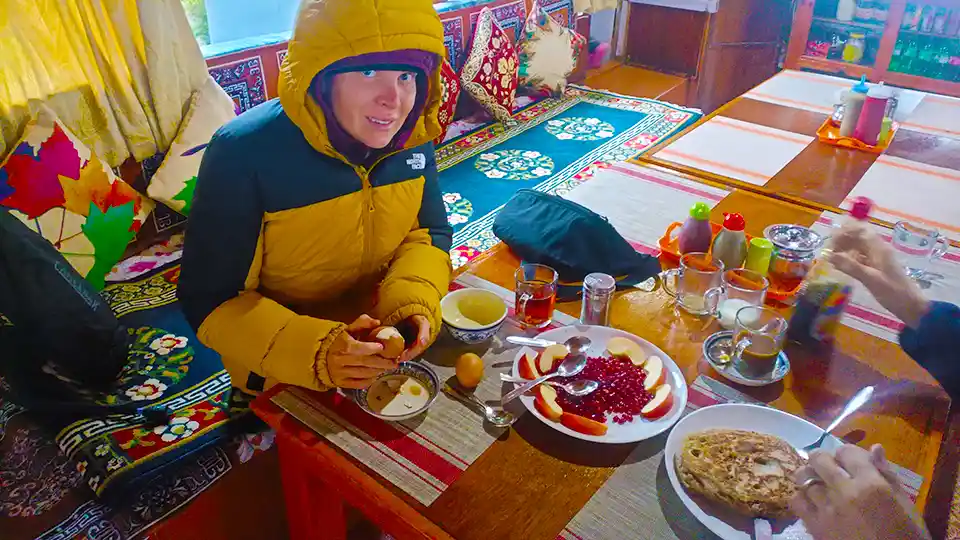
How to avoid getting sick from teahouse food in the EBC Trek

The Everest Base Camp is among the most famous treks in the world, and draws thousands of people from around the globe every year. From what to do in your Everest Base Camp trek itinerary, or when choosing an Everest Base Camp trek package, trekkers pay attention to equipment, permits, and acclimatization, but forget food safety. While you will need to eat and rest in teahouses along the trail, becoming sick from unsafe food can cause a range of stomach-related issues that threaten your trek and increase the chances of struggling with Everest Base Camp trek altitude sickness. Whether you’re embarking on a classic Everest Base Camp trek from Kathmandu or thinking of doing things differently by taking on an Everest Base Camp helicopter return trek, understanding how to prevent foodborne illnesses is one way to prepare.
Behind the Unloved Dishes at the Teahouse
Most teahouses on the Everest Base Camp trek 2025 are family-owned lodges that you will find in some of the farthest away villages (ie, along your Everest Base Camp trek map). However, food is fresh, and preparation/storage can be variable because of limited electricity/fuel/refrigeration. High-altitude environments can potentially cause slow cooking times or poor water quality, so even the most basic dishes may pose dangers. Those with sensitive stomachs or vulnerabilities are particularly at risk. Everest Base Camp trek tips by local guides are crucial as they have been advising trekkers on the go for years and thus know best which teahouses serve the cleanest food and which meals to eat.
Best hygienic teahouses with the Everest Base Camp Trek Guide to focus on
If you are organizing an EBC trekking with a local company, then the major responsibility of your Everest Base Camp trek guide is to make sure that safe sleeping and meal facilities are provided. Local guides know the hygiene and kitchen standards at every teahouse in the Everest Base Camp trek route, so they can assist you in selecting clean places to eat. They further educate you on where to find the most sanitary places and warn against washing your hands, bathing with boiled or bottled water, and eating raw or undercooked foods. This recommendation is especially relevant for new entrants who are not likely to be familiar with local food safety issues. Your guide can also assist with the strategic planning of meal stops according to your Everest Base Camp trek map and the mingling of a day’s walking.
What to Eat and Drink Safely on the Everest Base Camp Trek
Responsible eating is one of the keys to stopping contamination on the Everest Base Camp trek. Stay with cooked foods, consisting of soups and chow mein, rice dishes, and boiled vegetables. Raw salads, unwashed fruit, and undercooked meat should be avoided. It is very important to drink only boiled, filtered water or sealed bottled drinks whilst at high camps, as altitude sickness at Everest Base Camp can increase dehydration and your food poisoning symptoms. Tea or coffee made with boiled water is generally safe; ice, raw milk, and local juices are not. Seasoned trekkers who are ready to do the Everest Base Camp trek 2025 frequently take their own snacks or powdered electrolytes to reduce exposure to dodgy foods.
The Trek Timing and Meals scheduling for the trek
Your meal schedule on the Everest Base Camp trek makes a difference when it comes to food safety. Predictable meal times, eating after rest breaks, and in trusted teahouses can help your body digest food effectively at altitude. Meals are based on where you are acclimatizing and what your Everest Base Camp trek permits, so that you remain fed and satisfied without overtaxing your digestive system. Safety: Even though trekkers who do the Everest Base Camp helicopter return trek still have to take care of food hygiene on their way at intermediate stops or break points. Routine minimizes the risk of digestive upset, which is particularly important when you’re contending with base camp trek altitude sickness and dietary stress.
General guidelines for safe eating
The selection of the proper teahouse is as essential as hand washing. The risk can be decreased by hand washing with soap before eating or by the use of alcohol-based sanitizer. Bringing your own stash of utensils or inspecting the communal serving area can help with this. Great care should also be taken not to touch your face or eat after touching dusty or icy passages marked on the Everest Base Camp trek map with unwashed hands. Backpackers, trekkers on the Everest Base Camp trek package with a local company usually take hand sanitizers and a disposable wipes pack to keep these handy during treks. These little habits go a long way to protect you from eating teahouse food that could get you sick.
Emergency Preparedness and Backup Options
Even with precautions, food poisoning is always a possibility. For yourself, you are recommended to carry basic medicines in a pack, or if you decide to go trekking in some of the more remote places without proximity to medical services. Talk about these with your Everest Base Camp trek guide/ the local agency that organizes your Everest Base Camp trek, so that everyone will be prepared for any emergency situation. Taking electrolyte powders, oral rehydration salts, or mild anti-diarrhea medication can go a long way to helping you bounce back and not affect your Everest Base Camp trek 2025 itinerary too much. Backup food sources, such as packet snacks or energy bars, also provide peace of mind — you can safely keep hiking if a meal doesn’t work out.
Final Conclusion
Not getting sick from teahouse food can make or break a successful Everest Base Camp trek. Trekking in step with a properly-planned Everest Base Camp trek itinerary, with assistance from a reputable Everest Base Camp trek manual, and booking your Everest Base Camp trek through a neighborhood employer all contribute to keeping you healthy on the trail. Taking care of hygiene, eating and ingesting thoroughly, and being organized for emergencies enables you are make your travels to the sector’s maximum peak even more memorable.
Whether you’re hiking from Kathmandu or taking into account an Everest Base Camp helicopter go back trek, implementing those steps will permit you to focus on enjoying the stunning views rather than combating illness. By way of prioritizing protection on the dinner desk and the usage of gear like strategic acclimatization and proper hydration, you arrive at Base Camp loaded with energy for exploring the stunning Himalayan landscapes (in place of being sidelined by disruptions from teahouse food.