Why Seat Height And Rider Position Deserve Attention When Choosing A Dirt Bike?
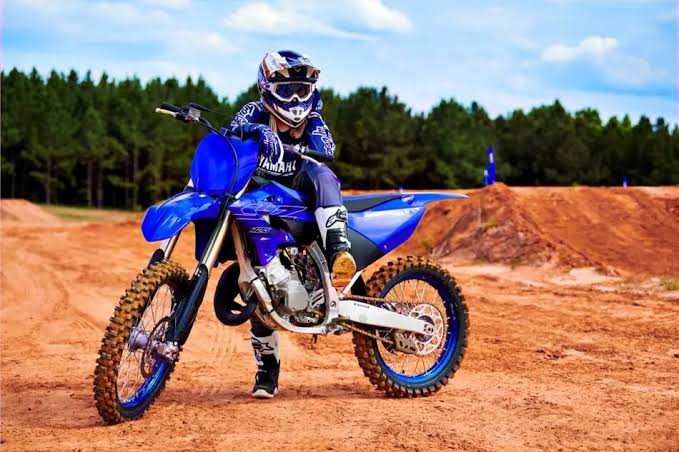
Engine capacity and appearance can easily attract attention when someone is choosing a dirt bike, but physical fit deserves equal consideration. A bike that does not suit the rider’s body can feel awkward before the engine is even started. Seat height, handlebar reach, foot control placement, and general riding position all influence how naturally someone can interact with the machine.
This is particularly important for younger and newer riders. Instead of selecting a bike primarily because of its specifications or styling, considering how the rider actually fits the machine can lead to a more appropriate choice.
Seat Height Influences The Initial Fit
Seat height determines how high a rider sits in relation to the ground. Two bikes with similar-looking dimensions can feel surprisingly different once someone sits on them.
When comparing Dirt Bikes, riders should consider whether they can mount the machine comfortably and assume an appropriate riding position without excessive stretching. A bike that is noticeably too tall can feel intimidating, while one that is much too small may create a cramped posture.
Published seat height measurements provide useful information, but they should be considered alongside the rider’s proportions because people of the same overall height can have different leg lengths.
Handlebar Reach Changes Upper Body Position
The distance between the seat and handlebars is another important part of fit. Riders need to reach the controls without adopting an unnecessarily stretched or compressed position.
A suitable reach can help the arms remain in a more natural position. If the handlebars feel too far away, the rider may lean forward excessively. If the cockpit is too compact, the arms and upper body may feel crowded.
This is why evaluating overall dimensions can be more useful than concentrating on seat height alone.
Foot Controls Should Feel Accessible
Rider position also determines how naturally the feet interact with the bike. Foot pegs and relevant foot-operated controls need to be located where the rider can use them according to the manufacturer’s instructions.
This differs from the seating arrangement found on many Quad Bikes, where the wider platform and four-wheel layout create a different relationship between the rider and the machine. A dirt bike requires the rider to interact with a narrow two-wheel chassis, making body position an especially noticeable part of the experience.
Proper fit should allow access to controls without requiring awkward movement.
Standing Position Is Worth Considering
Dirt bike riding does not always involve remaining seated. Depending on the riding situation and appropriate technique, riders may spend periods standing on the foot pegs.
A bike that seems acceptable while sitting may feel different when the rider stands. Handlebar position, peg location, leg room, and overall dimensions can influence whether the standing posture feels natural.
Evaluating both seated and standing positions can therefore provide a more complete understanding of whether a particular bike matches the rider.
Weight And Dimensions Work Together
Seat height should never be viewed as an isolated measurement. The overall dimensions and weight of a machine also affect how substantial it feels to the rider.
A relatively manageable seat height does not automatically mean the entire vehicle is appropriately sized. Similarly, different vehicle categories create very different experiences. Electric Quad Bikes may place batteries and major components within a four-wheel chassis, while a dirt bike packages its components around a much narrower frame.
Buyers should therefore consider the complete physical relationship between rider and vehicle instead of relying on a single specification.
Growing Riders Need Appropriate Choices Now
Parents purchasing bikes for younger riders may be tempted to choose a considerably larger model, expecting the child will grow into it. However, buying primarily for future size can leave the rider with a machine that does not fit properly today.
A more suitable approach is to choose according to the rider’s current physical size, experience, and the manufacturer’s age and rider recommendations. Equipment can be reconsidered as the rider grows and their needs change.
Physical Fit Deserves A Place On The Checklist
Choosing a dirt bike involves more than comparing motors and visual designs. Seat height, reach, foot placement, standing posture, overall dimensions, and rider proportions collectively determine how well the machine physically matches its user.
Specifications can narrow down the available choices, but they cannot completely describe how a particular bike will feel to an individual rider. Whenever possible, evaluating physical fit before making a decision can reveal differences that are difficult to recognise from photographs or specification tables alone.
Giving rider position proper attention helps ensure that the final choice reflects the person who will actually be using the bike, rather than simply the numbers attached to the machine.